load driver during setup: which inf do i pick from the amd package?

Solvedamdf6-drivernvmewindows-install5 replies · 251 views · started
Accepted solution by Bea — lol same thing happened to me many newer lpatops ship with Intel VMD (Volume Management Device) enabled, which hides the NVMe behind a…
  1. i wanted to do replacing the SSD on my new laptop... made a Windows USB stick, booted it, clicked through to the disk selection screen and got this:
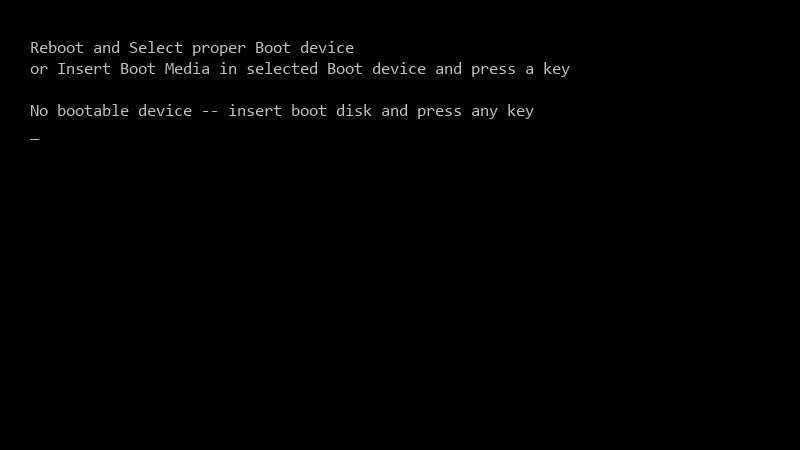
    Reboot and Select proper Boot device

    Reboot and Select proper Boot device
    or Insert Boot Media in selected Boot device and press a key
    
    No bootable device -- insert boot disk and press any key
    

    No drives at all. The BIOS clearly shows teh NVMe SSD with its correct model and size ;) Ive remade the USB stick twice. Someone mentioned i might need AMD Processor Driver loaded during setup, but Ive never had to do that before and i have no idea which file to point the installer at. Help me befroe i return a perfectly good SSD.


    4
  2. oof alternative: disable VMD in the BIOS (sometimes listed under storage or advanced settings). Then Windows sees teh NVMe with its inbox driver. Only do this for a clean install; on an existing install, switching storage mode makes Windows unbootable.

    lol

    0 1 helpful
  3. Accepted solution

    lol same thing happened to me many newer lpatops ship with Intel VMD (Volume Management Device) enabled, which hides the NVMe behind a controller that Windows setup has no inbox driver for. u need the F6 / RST VMD driver from the PC makers support page (often listed as "F6 driver" or "RST driver for Windows setup"). fingers crossed 🤞

    5 7 helpful
  4. lol this thread is gold any ideas??

    facepalm

    0 1 helpful
  5. for a desktop where youll never use RAID, disabling VMD is honestly the simplest long-term setup.

    1 4 helpful
  6. @vectorshed Extracted the F6 drievr, loaded it during setup, and the NVMe appeared immediately 😅 Windows installed fine. Thank you so much!

    party

    0 1 helpful

Reply to this topic

Sign in or create an account to reply.